
Santa Maria Novella is Florence's most connected district - anchored by the main train station, within walking distance of the Duomo, and flanked by some of the city's most storied streets. Staying here means trading postcard quiet for genuine urban access: trams, taxis, and trains all converge within a few blocks. These five hotels cover a range of budgets and styles, from historic merchant houses to river-facing boutiques, all positioned to make the most of Florence on foot.
What It's Like Staying in Santa Maria Novella
Santa Maria Novella functions as Florence's logistical core. The namesake train station connects the city to Rome, Venice, and Bologna, while the surrounding streets - Via dei Banchi, Via Palazzuolo, Via della Scala - stay active well into the evening with locals, commuters, and visitors. The Duomo is under 15 minutes on foot from most addresses in this district, which means major monuments are genuinely walkable, not just theoretically close. Noise levels near the station drop noticeably one or two blocks west toward the Prato border, where the pace slows and foot traffic thins.
The district suits travelers who prioritize transit access and central positioning over atmosphere. Those seeking quiet Renaissance-era lanes will find Oltrarno or San Marco calmer, but Santa Maria Novella compensates with unmatched logistical convenience - particularly for multi-city itineraries or day trips to Siena and Pisa.
Pros:
- Santa Maria Novella station provides direct high-speed rail to Rome in around 90 minutes
- The historic church and piazza are steps away, with far fewer crowds than Piazza del Duomo
- Via Tornabuoni - Florence's luxury shopping street - begins at the district's southern edge
Cons:
- Streets immediately adjacent to the station attract petty theft; keep valuables secured
- Accommodation prices run higher than peripheral districts like Campo di Marte
- Some blocks near the station experience significant noise from early-morning departures
Why Choose a Hotel in Santa Maria Novella
Hotels in Santa Maria Novella range from converted historic palazzos to independently run family properties, and what sets them apart from comparable accommodation elsewhere in Florence is micro-location density - within a few blocks, guests can reach the Basilica di Santa Maria Novella, the Mercato Centrale, and the start of Via de' Tornabuoni without boarding any transport. Boutique and mid-range properties here often occupy renovated historic buildings, which means rooms carry architectural character - stuccoed ceilings, terracotta floors, marble bathrooms - that generic hotels in newer districts simply don't offer. Rates at independently run hotels in this zone typically undercut comparable rooms in the Duomo district by around 20%, while maintaining nearly identical walking distances to the same attractions.
Room sizes in Santa Maria Novella hotels trend smaller than suburban equivalents, and properties on the station-facing side of the district manage noise with double-glazed windows rather than extra square footage. Travelers on multi-city rail itineraries gain the most from this district: checking out and reaching a platform takes under 10 minutes on foot from most addresses here.
Pros:
- Historic building stock means architectural character is embedded in the stay, not added as decoration
- Rail access makes this the strongest district for Florence as a base for regional day trips
- Dining and aperitivo culture on streets like Via della Vigna Nuova rival any district in the city
Cons:
- Room sizes in converted palazzos can be compact, particularly in standard categories
- Parking is limited and expensive; self-drive arrivals should book properties with private parking in advance
- High foot traffic on Via Panzani and Piazza della Stazione creates persistent background noise
Practical Booking & Area Strategy
For the quietest positioning in Santa Maria Novella, prioritize addresses on Via della Scala, Via Palazzuolo, or the streets running toward Piazza Goldoni - these sit far enough from the station's taxi rank to avoid the worst noise while remaining walkable to both the train platforms and the Duomo. The tram line T1 runs from the station toward the airport, making properties near Santa Maria Novella station useful even for early-morning flights without taxi costs. Book at least 6 weeks ahead for travel between April and October - this is Florence's sustained high season, and the district's transit convenience makes it a first-choice area that fills quickly. The Basilica di Santa Maria Novella itself, the Museo Nazionale Alinari della Fotografia, and the Officina Profumo-Farmaceutica di Santa Maria Novella - one of the world's oldest pharmacies, operating since 1612 - are all within the district and require no transport to reach. Evenings in Santa Maria Novella are animated but not unsafe; the area around Via dei Banchi and Piazza Santa Maria Novella stays busy with restaurant-goers until well past midnight during summer.
Best Value Stays
These properties offer strong positioning and character in Santa Maria Novella without the premium price tags of river-facing or palazzo-grade addresses - suited to travelers who want central access with straightforward, reliable accommodation.
-
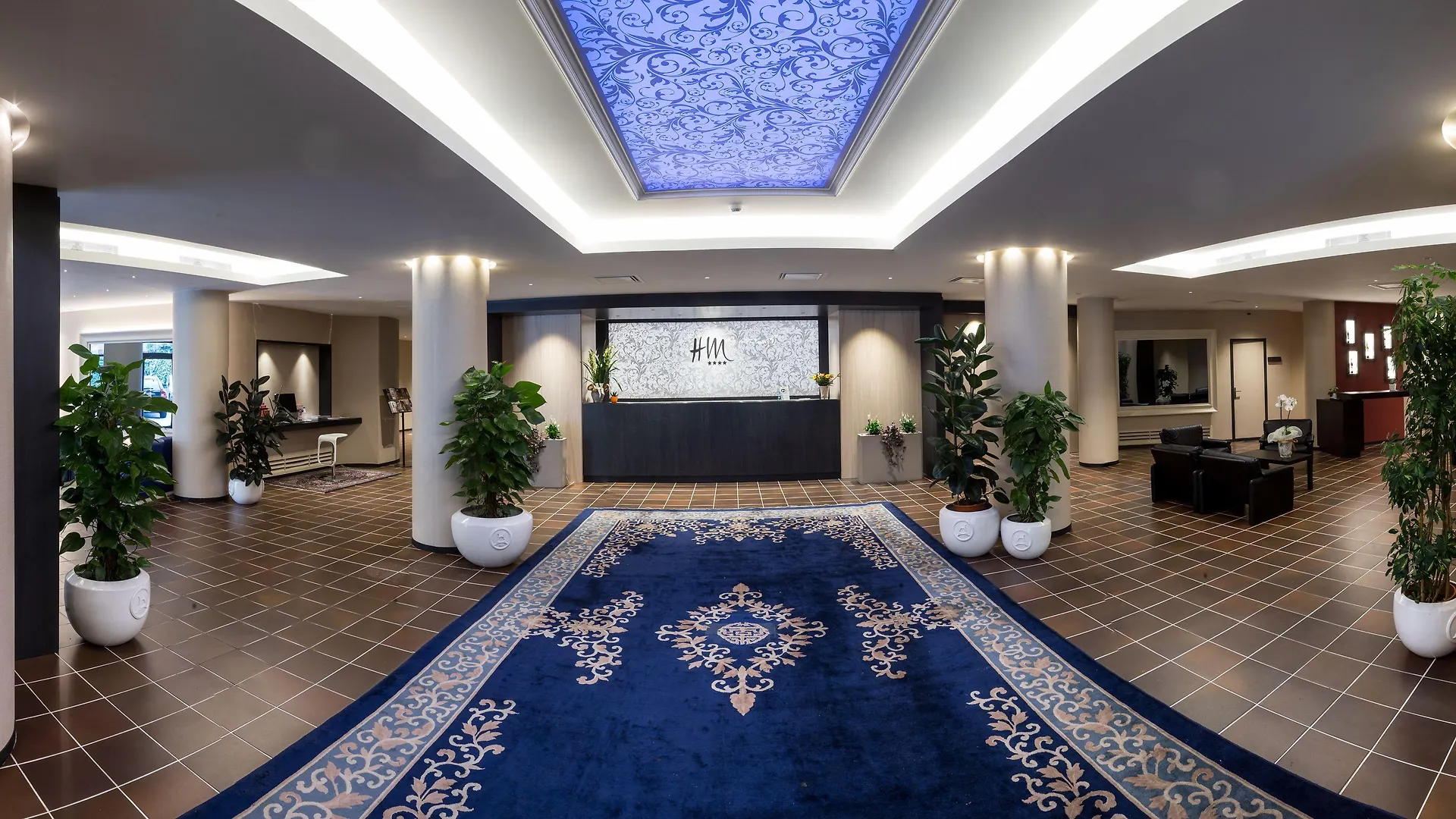
1. Hotel Mirage
Show on map


 Check-infrom 14:00 until 23:59Check-outuntil 12:00
Just a few rooms left at the best rate!
from€ 39
-
2. Hotel Porta Faenza
Show on map


 Check-infrom 13:00 until 23:59Check-outuntil 11:00
Just a few rooms left at the best rate!
from€ 62
-
3. Hotel Art Atelier - Place Of Charme
Show on map


 Check-infrom 15:00 until 23:59Check-outuntil 11:00
Hurry – almost gone at this price!
from€ 81
Best Premium Stays
These two properties carry architectural distinction and positioning that justifies a higher nightly rate - one set along the Arno with river views, the other a boutique spa hotel at the edge of the historic centre with notable design credentials.
-
4. Hotel Principe
Show on map


 Check-infrom 14:00 until 23:59Check-outfrom 02:00 until 11:00
Hurry – almost gone at this price!
from€ 143
-
5. Palazzo Lorenzo Hotel Boutique & Spa
Show on map


 Check-infrom 15:00 until 23:59Check-outuntil 12:00
Rooms filling fast – secure the best rate!
from€ 109
Smart Travel & Timing Advice for Santa Maria Novella
Florence operates on a compressed seasonal calendar: April through June and September through October are the clearest travel windows - temperatures are manageable, daylight is long, and the city's museums operate at full capacity without the extreme queues of July and August. Summer in Santa Maria Novella specifically means the piazza outside the basilica fills with tour groups from mid-morning until early evening, and hotel prices in the district spike by around 35% compared to November or February rates. January and February offer the lowest prices and genuine quiet - the Uffizi can be walked without advance booking on weekdays - but several smaller restaurants in the district reduce hours or close entirely.
For stays built around rail travel, three nights is the functional minimum for Florence: one day for the Uffizi and Ponte Vecchio, one for the Accademia and Oltrarno, one for a day trip to Siena or Lucca via Santa Maria Novella station. Booking accommodation in this district more than 6 weeks out during high season is not optional - it's the difference between securing a river-view room at Hotel Principe and accepting whatever is left. Last-minute bookings in Santa Maria Novella during peak months typically surface only the least desirable room categories at above-average rates.


