
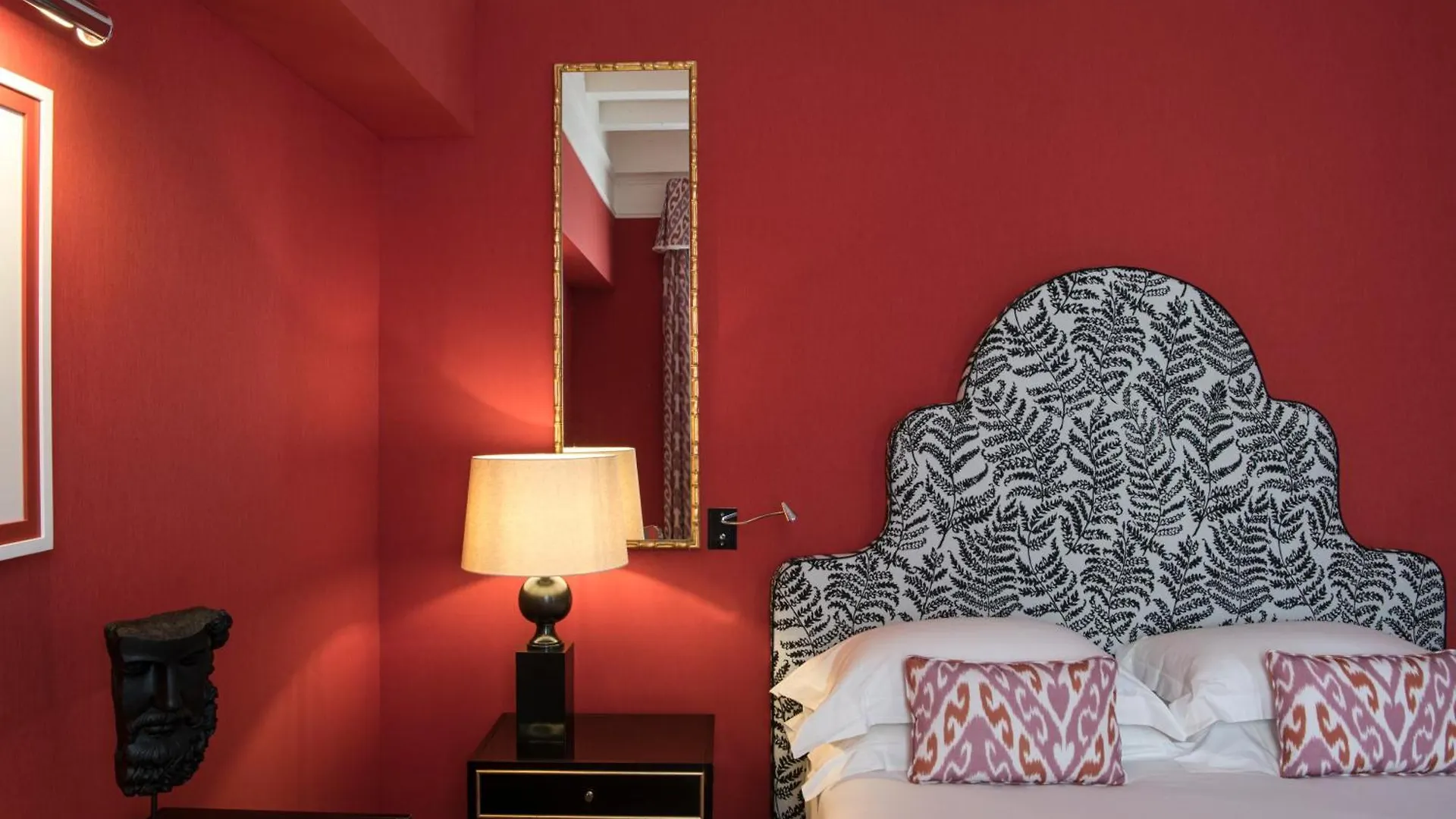
Rome City Centre concentrates an extraordinary density of SLH-affiliated properties within walking distance of the city's most visited landmarks. These four hotels - each part of the Small Luxury Hotels of the World collection - sit within a compact historic triangle between Trevi Fountain, the Spanish Steps, and the Quirinale Palace, offering a level of boutique intimacy that Rome's larger five-star chains rarely match. This guide breaks down each property by location, standout features, and practical booking strategy to help you decide which one fits your Rome itinerary.
What It's Like Staying in Rome City Centre
Rome's historic centre is one of the most walkable luxury hotel districts in Europe, but that convenience comes with real trade-offs. The cobblestone streets, restricted traffic zones (ZTL), and near-constant tourist foot traffic shape daily life in ways that matter when choosing where to sleep. Most major landmarks sit within a 15-minute walk of these four hotels, which eliminates the need for daily taxi or metro use entirely. However, the same proximity that puts the Trevi Fountain at your door also places you inside one of Rome's loudest and most congested pedestrian corridors, particularly between May and October.
Pros:
- Walk to the Pantheon, Trevi Fountain, Spanish Steps, and Piazza Navona without relying on public transport
- ZTL restrictions keep most cars out of the historic core, making the streets around these hotels quieter than you'd expect given the density
- Staying central means early-morning access to landmarks before crowds arrive - around 7:00 AM the Trevi Fountain area is nearly empty
Cons:
- Narrow streets near high-traffic zones can be noisy at night, especially on weekends - a room facing a courtyard or garden is worth requesting
- Driving to or from the hotel requires advance coordination with ZTL permits, which several of these properties manage but must be pre-arranged
- Premium central positioning pushes rates up significantly compared to hotels just outside the historic walls
Why Choose a Small Luxury Hotels of the World Property in Rome City Centre
The SLH brand in Rome's centre means something specific: independently owned, boutique-scaled properties with genuinely curated interiors rather than franchise standardisation. In a city where five-star chains occupy converted palazzos but deliver predictable corporate experiences, SLH hotels tend to offer fewer than 30 rooms, which directly translates into more attentive staffing ratios and a guest experience that feels residential rather than transactional. Rates for these properties sit above Rome's mid-market segment but below the city's grand luxury flagships, making them a logical choice when ambience and location matter as much as room count.
Room sizes in historic-centre boutique hotels vary considerably - some units in converted Roman buildings are compact by design, while terrace-equipped rooms in the same property command significant premiums. Around 60% of rooms across these four hotels offer either a terrace, garden view, or courtyard-facing aspect, which is a meaningful differentiator given street noise levels.
Pros:
- Independently operated with house-specific character - each hotel has a distinct design identity rooted in its building's history
- Smaller guest counts mean concierge staff can secure restaurant reservations, skip-the-line museum access, and private transfers that larger hotels manage less personally
- Breakfast quality at SLH properties in Rome consistently exceeds standard hotel buffets - several offer terrace or garden service, which changes the morning rhythm entirely
Cons:
- Limited room inventory means availability disappears quickly - booking windows of 6 weeks or more are often necessary during peak season
- No large spa facilities or full-service pools in most properties - wellness amenities are compact or shared
- Parking is either unavailable or limited; guests arriving by car must rely on ZTL permits or nearby public garages
Practical Booking & Area Strategy for Rome City Centre
The four SLH properties in this guide cluster around three distinct micro-zones of central Rome. Via Sistina and the Barberini corridor - where Maalot Roma sits 100 metres from Trevi Fountain - gives you the most central position of all, directly above the Barberini metro stop (Line A), which connects to Termini Station in under 10 minutes and to the Vatican area via Ottaviano in around 20 minutes. Villa Spalletti Trivelli's position near Via Nazionale offers bus access to Termini and puts the Quirinale on your literal doorstep. Hotel Vilòn and Margutta 19 occupy the upper end of the Tridente district - the triangle between Piazza del Popolo, Piazza di Spagna, and Via del Corso - which is less frenetic than the Trevi zone and closer to Villa Borghese and Rome's high-end shopping streets along Via Condotti.
For Rome City Centre, book at least 8 weeks ahead for travel between April and October. The SLH properties here have low room counts, and peak-season availability at the 4-5 room category level vanishes faster than at larger hotels. If you're visiting in November through February, last-minute rates do appear, but not reliably across all four. Things to prioritise while staying in this zone: the Borghese Gallery (book timed entry months in advance), Palazzo Doria Pamphilj on Via del Corso (vastly undervisited compared to the Vatican), the Capuchin Crypt on Via Veneto, and the early-morning Pantheon visit before 9:00 AM when entrance queues are manageable.
Best Value Stays
These two properties deliver strong SLH-calibre positioning in Rome's historic centre at entry points that make boutique luxury accessible without reaching villa-tier pricing. Both sit within walking distance of Rome's most iconic landmarks and offer genuine character rooted in their buildings' histories.
-
1. Maalot Roma - Small Luxury Hotels Of The World
Show on map


 Check-infrom 15:00 until 23:30Check-outfrom 01:00 until 12:00
Just a few rooms left at the best rate!
from€ 657
-
2. Margutta 19 - Small Luxury Hotels Of The World
Show on map


 Check-infrom 15:00 until 23:59Check-outuntil 12:00
Just a few rooms left at the best rate!
from€ 633
Best Premium Stays
These two properties represent the upper register of Rome's SLH offering - one a palatial historic villa with a spa and garden, the other a discreet boutique address steps from Via Condotti and Piazza di Spagna. Both prioritise atmosphere and exclusivity over amenity volume.
-
3. Villa Spalletti Trivelli - Small Luxury Hotels Of The World
Show on map


 Check-infrom 15:00 until 23:59Check-outuntil 11:00
Hurry – almost gone at this price!
from€ 463
-
4. Hotel Vilon - Small Luxury Hotels Of The World
Show on map


 Check-infrom 15:00 until 23:59Check-outuntil 12:00
Rooms filling fast – secure the best rate!
from€ 829
Smart Travel & Timing Advice for Rome City Centre
Rome's historic centre operates on a clear seasonal rhythm that directly affects both availability and experience at these four SLH properties. April, May, September, and October are peak booking months - the weather is temperate, school holidays drive family travel in late April, and autumn light draws photographers and culture travellers in equal measure. Rates during these windows sit at their highest, and room availability at small-inventory boutique hotels like these can disappear within days of a new search. July and August bring intense heat - temperatures regularly exceed 35°C - combined with Roman locals leaving the city, which creates an odd dynamic: the streets around the Trevi Fountain and Spanish Steps are packed with international tourists while many neighbourhood restaurants and shops close for the August break.
For these SLH properties specifically, booking 8 weeks ahead is the minimum for April-October travel; for peak spring and autumn weekends, 12 weeks is more realistic for preferred room categories with terraces or garden views. November through February offers the most relaxed experience of Rome's centre - crowds thin significantly, the Pantheon and Capitoline Museums are accessible without queues, and rates at boutique hotels drop meaningfully. A minimum stay of 3 nights makes logistical sense in this district: the first day covers arrival and immediate surroundings, the second reaches further landmarks like Trastevere or the Aventine Hill, and the third allows for a day trip to Ostia Antica or the Castelli Romani by regional train from Termini - both reachable from the Barberini or Spagna metro stops without a car.


