
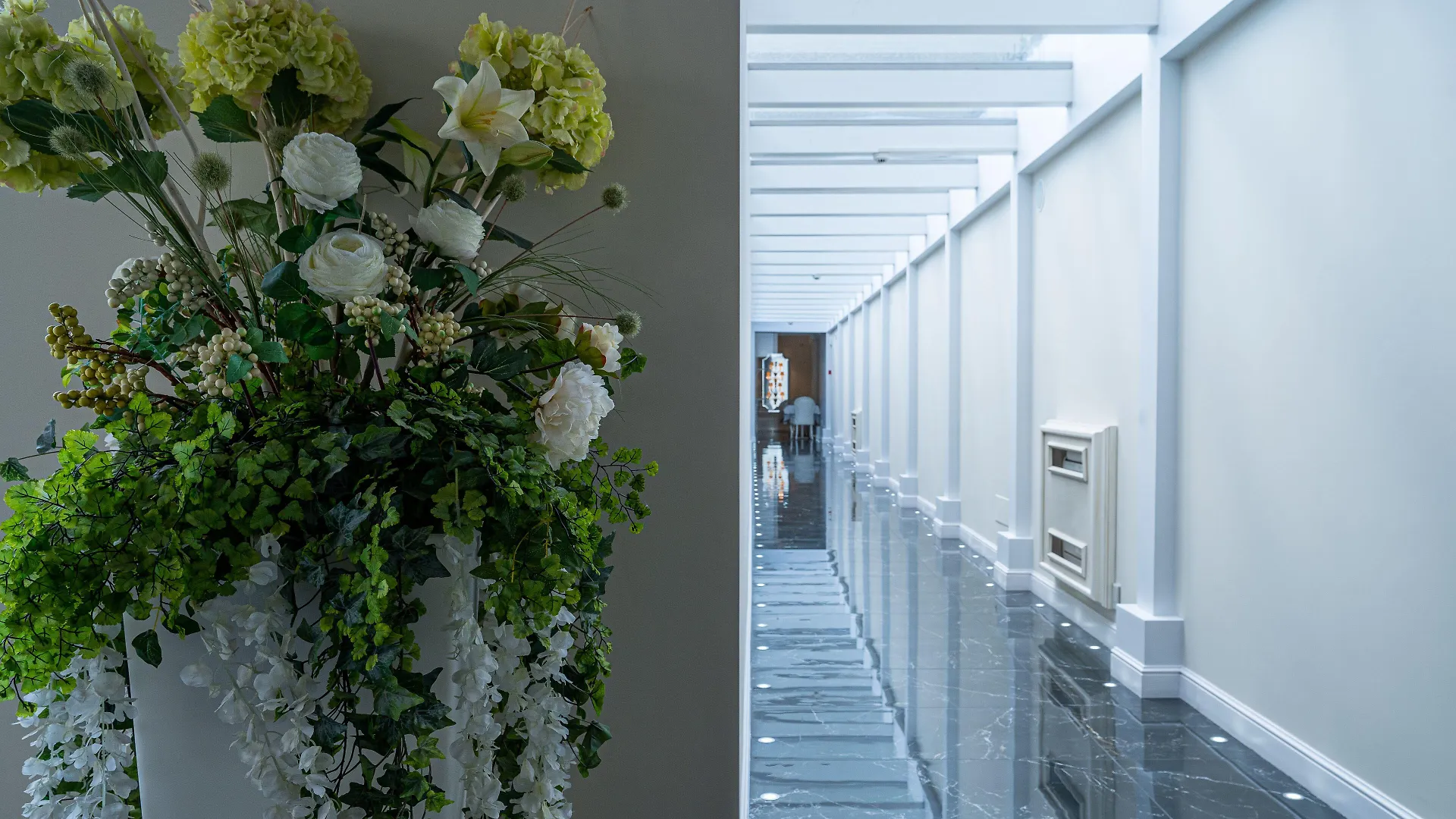
Florence Historic Centre concentrates more Renaissance landmarks per square kilometre than almost anywhere in Europe, and the spa hotels here reflect that density - many are housed in 13th to 19th-century palazzos with wellness centres built into original stone cellars or landscaped private gardens. This guide compares 7 spa hotels across different price tiers and micro-locations within the historic core, so you can match the right property to your priorities before booking.
What It's Like Staying In Florence Historic Centre
Staying inside the historic centre means waking up within walking distance of the Duomo, the Uffizi Gallery, and Piazza della Signoria - no transit required. The centre is almost entirely pedestrianised, which eliminates car noise but concentrates foot traffic on main corridors like Via de' Tornabuoni and Via dei Calzaiuoli from mid-morning until well after dinner. Streets directly off these axes quiet down noticeably after 10pm, making micro-location within the district a real factor in sleep quality. Visitors who prioritise zero commute time to the major museums and want to return to a spa mid-afternoon benefit most; those sensitive to daytime noise or needing frequent car access may find the ZTL restricted traffic zone around most of the centre a logistical friction point.
Pros:
- Every major Florentine landmark - Duomo, Uffizi, Ponte Vecchio, Bargello - is reachable on foot in under 15 minutes from any hotel in this guide
- Santa Maria Novella Train Station sits at the western edge of the historic centre, connecting the area to Pisa Airport in around 1 hour and Rome in around 1.5 hours by high-speed rail
- Evening atmosphere in the historic centre is lively but manageable, with restaurant terraces and wine bars creating a walkable post-dinner circuit
Cons:
- The ZTL zone covers most of the centre and fines non-authorised vehicles automatically - driving to your hotel requires prior coordination with the property for parking passes
- Summer crowds between June and August push key streets to near-saturation by noon, making early morning the only window for calm sightseeing
- Hotel room sizes in historic palazzos are frequently constrained by listed building regulations, meaning premium prices do not always translate to generous square footage
Why Choose a Spa Hotel In Florence Historic Centre
Spa hotels in Florence Historic Centre occupy a distinct niche: they combine access to the city's art circuit with on-site recovery infrastructure - saunas, hot tubs, hammams, and treatment rooms - that standard central hotels simply do not offer. Given that a full day of museum queues and cobblestone walking can cover well over 15,000 steps, having a functioning wellness facility in the same building changes the rhythm of a multi-day stay significantly. Prices for spa-equipped properties in the historic centre run higher than comparable rooms in the Oltrarno or Santa Croce fringe, but the trade-off is eliminating any commute between cultural sightseeing and relaxation. Room sizes in converted palazzos vary considerably - a suite overlooking a private garden at a property like Palazzo Castri sits in a different category from a compact spa-access room in a tighter city-centre building - so checking room typology, not just star rating, is essential before confirming a booking.
Pros:
- Wellness facilities in Florence's historic palazzos are often architecturally unique - stone-vaulted cellars, garden pools, and terrace hot tubs that no suburban spa property can replicate
- On-site spa access allows a split-day itinerary: morning at the Uffizi, afternoon treatment, evening dinner - without transit time eating into either
- Several properties in this category include breakfast of genuine quality, reducing daily food spend in an area where café prices near monuments are high
Cons:
- Spa access is frequently charged separately from room rate, adding meaningful cost to the total stay if treatments are used daily
- Noise insulation in historic buildings varies - exterior rooms on ground or first floors facing pedestrian streets can be disruptive during peak visitor months
- Private parking in the ZTL zone is scarce and typically incurs an additional nightly fee, which is rarely included in headline room rates
Practical Booking & Area Strategy
Within the historic centre, positioning matters more than most visitors expect. Properties on or directly adjacent to Piazza della Signoria and Via de' Calzaiuoli - like San Firenze Suites - deliver unmatched proximity to the Uffizi and Ponte Vecchio but sit in the highest-footfall zone. Streets running north from the Duomo toward San Marco, and west toward Santa Maria Novella Station, offer materially quieter overnight conditions while keeping walking times to the main landmarks under 15 minutes. The Galleria dell'Accademia (David) and the Bargello are both reachable on foot from any hotel in this guide, making a car unnecessary for the entire stay if you are focused on the historic circuit. Book at least 8 weeks ahead for travel between April and October - this is when spa-equipped rooms in the historic centre sell out fastest and rates climb steeply. Florence's summer heat makes a hotel with a pool or cooling spa facilities considerably more valuable between June and August, when afternoon temperatures regularly exceed 35°C and the city's stone surfaces retain heat until late evening. For visits focused on museums with shorter queues and lower room rates, November through February offers the clearest trade-off, with the Uffizi and Accademia typically accessible without pre-booking in the quieter weeks.
Best Value Spa Stays
These properties deliver spa access and solid historic-centre positioning at rates that sit below the luxury tier, making them practical choices for travellers who want wellness facilities without committing to top-end pricing.
-
1. The Moon Boutique Hotel & Spa
Show on map


 Check-infrom 15:00 until 23:59Check-outuntil 11:00
Just a few rooms left at the best rate!
from€ 66
-
2. Lhp Hotel River & Spa
Show on map


 Check-infrom 14:00 until 23:59Check-outuntil 11:00
Just a few rooms left at the best rate!
from€ 82
-
3. Borghese Palace Art Hotel
Show on map


 Check-infrom 14:00 until 23:59Check-outfrom 07:00 until 12:00
Just a few rooms left at the best rate!
from€ 190
Best Premium Spa Stays
These four properties operate at a higher price tier and deliver meaningfully expanded spa infrastructure, architectural scale, or landmark positioning - features that justify the rate premium for travellers where the quality of the stay is as important as the destination itself.
-
4. Palazzo Castri 1874 Spa & Garden
Show on map


 Check-infrom 15:00 until 23:59Check-outuntil 11:00
Hurry – almost gone at this price!
from€ 47
-
5. San Firenze Suites & Spa
Show on map


 Check-infrom 15:00 until 23:59Check-outuntil 12:00
Hurry – almost gone at this price!
from€ 206
-
6. Hotel La Gemma
Show on map


 Check-infrom 15:00 until 23:59Check-outuntil 12:00
Rooms filling fast – secure the best rate!
from€ 343
-
7. Four Seasons Hotel Firenze
Show on map


 Check-infrom 15:00 until 23:59Check-outuntil 12:00
Rooms filling fast – secure the best rate!
from€ 1910
Smart Travel & Timing Advice for Florence Historic Centre
Florence Historic Centre operates on a sharply seasonal rhythm. April through June and September through October represent the clearest windows for a spa hotel stay - temperatures are comfortable for walking between landmarks, crowds are present but not overwhelming, and hotel rates sit below the July-August peak. July and August bring the highest occupancy across all spa properties in the centre, with some hotels reporting near-full capacity for weeks at a time; booking at least 8 weeks in advance during this window is not optional, it is the only reliable strategy for securing preferred room categories. November through February offers the lowest rates and the quietest streets, though some outdoor spa facilities - particularly garden pools - operate on reduced schedules or close entirely in the coldest weeks. A stay of 3 nights is the practical minimum to justify the premium of a spa hotel in the historic centre: one full day recovering from travel with a spa afternoon, one full day for the major museums, and one day for the quieter neighbourhoods and the Pitti Palace across the Arno. Arriving on a Tuesday or Wednesday rather than a weekend reduces both accommodation rates and queue times at the Uffizi and Accademia noticeably, particularly in shoulder season. Last-minute bookings in the historic centre during high season almost always result in paying the highest available rate for the least preferred room - the demand-supply gap here is not forgiving.


